
Identify the defect
Swirls, wash marring, oxidation, sanding marks and isolated scratches behave differently. Inspection lighting reveals the pattern, but depth and paint history must also be considered.
A mark that catches a fingernail may be too deep for complete safe correction, although this is not a substitute for professional assessment.
How polishing changes the surface
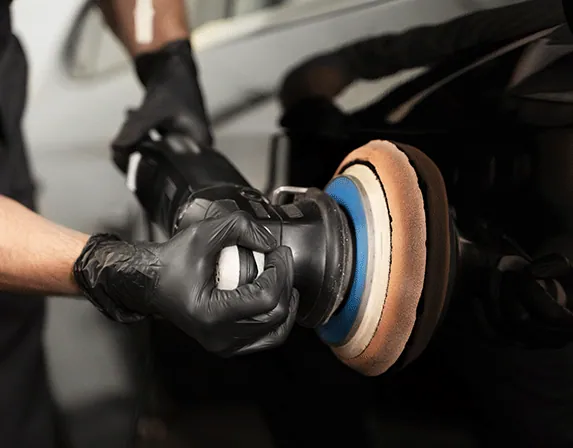
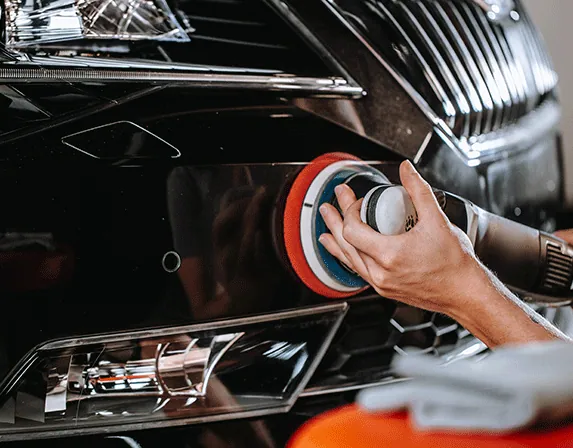
Abrasive polish and a suitable pad refine a controlled amount of the upper paint surface, reducing the height difference around eligible defects.
The objective is a safer improvement, not removing unlimited material to chase perfection.
Single or multiple stages
A single stage balances correction and finish in one main polishing step. Multistage work separates heavier correction from refining and may suit more demanding paint conditions.
Paint type, hardness, thickness, previous work and desired result determine the approach.
Protection follows correction
Polishing and protection solve different problems. Once the finish is refined, wax, sealant or ceramic coating may be selected to support maintenance.
Protection does not prevent all future defects, so safer washing remains essential.