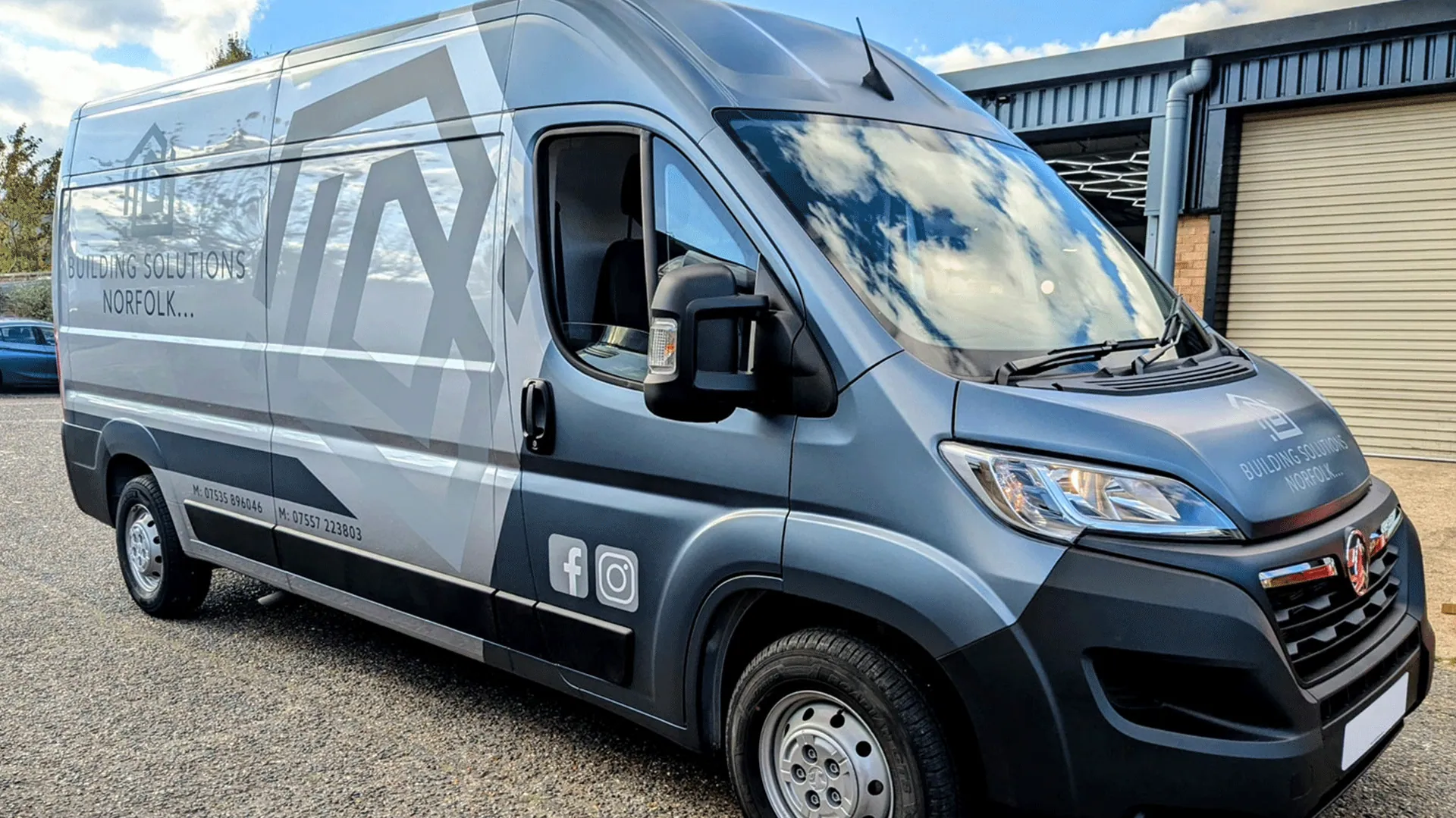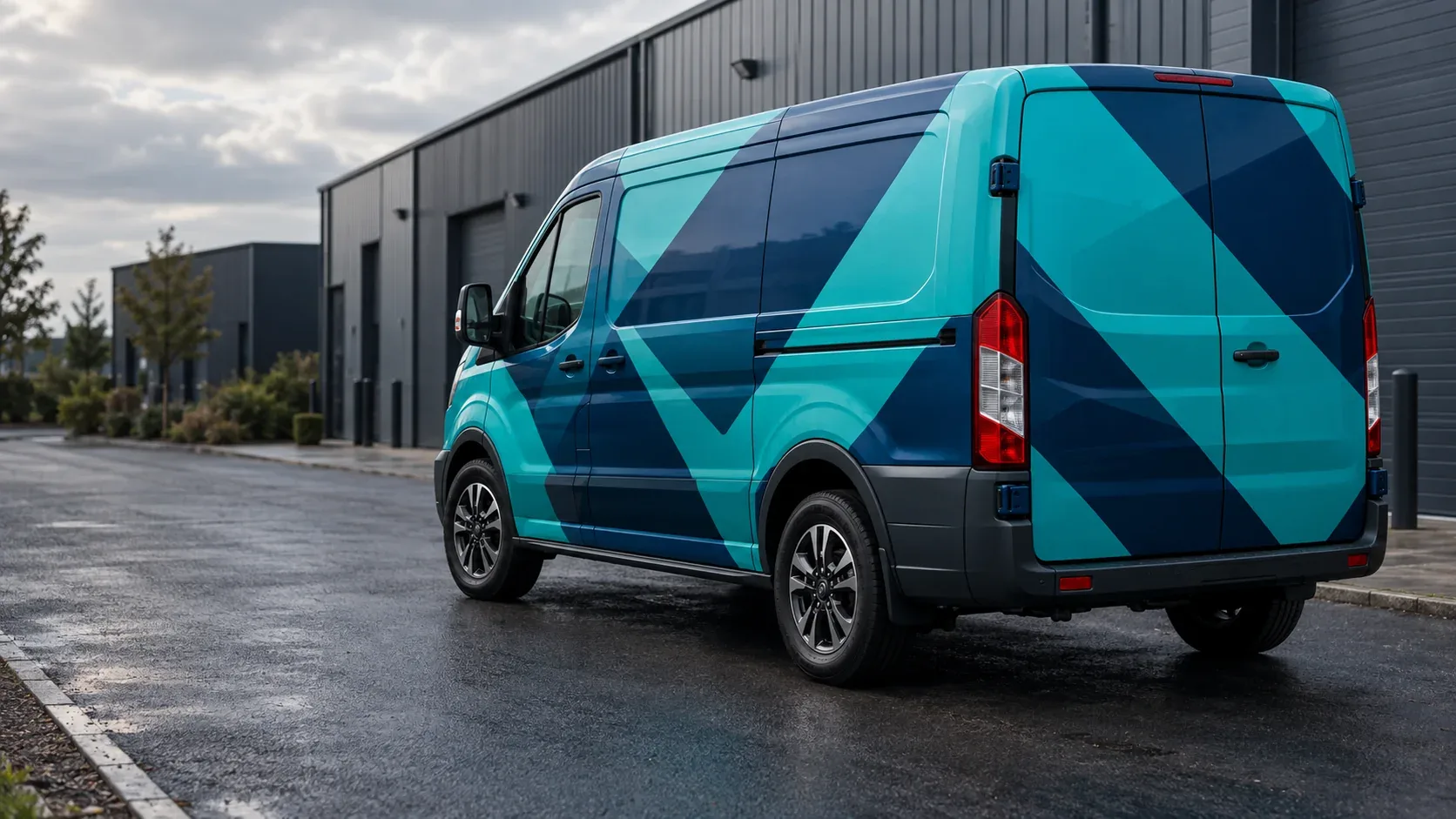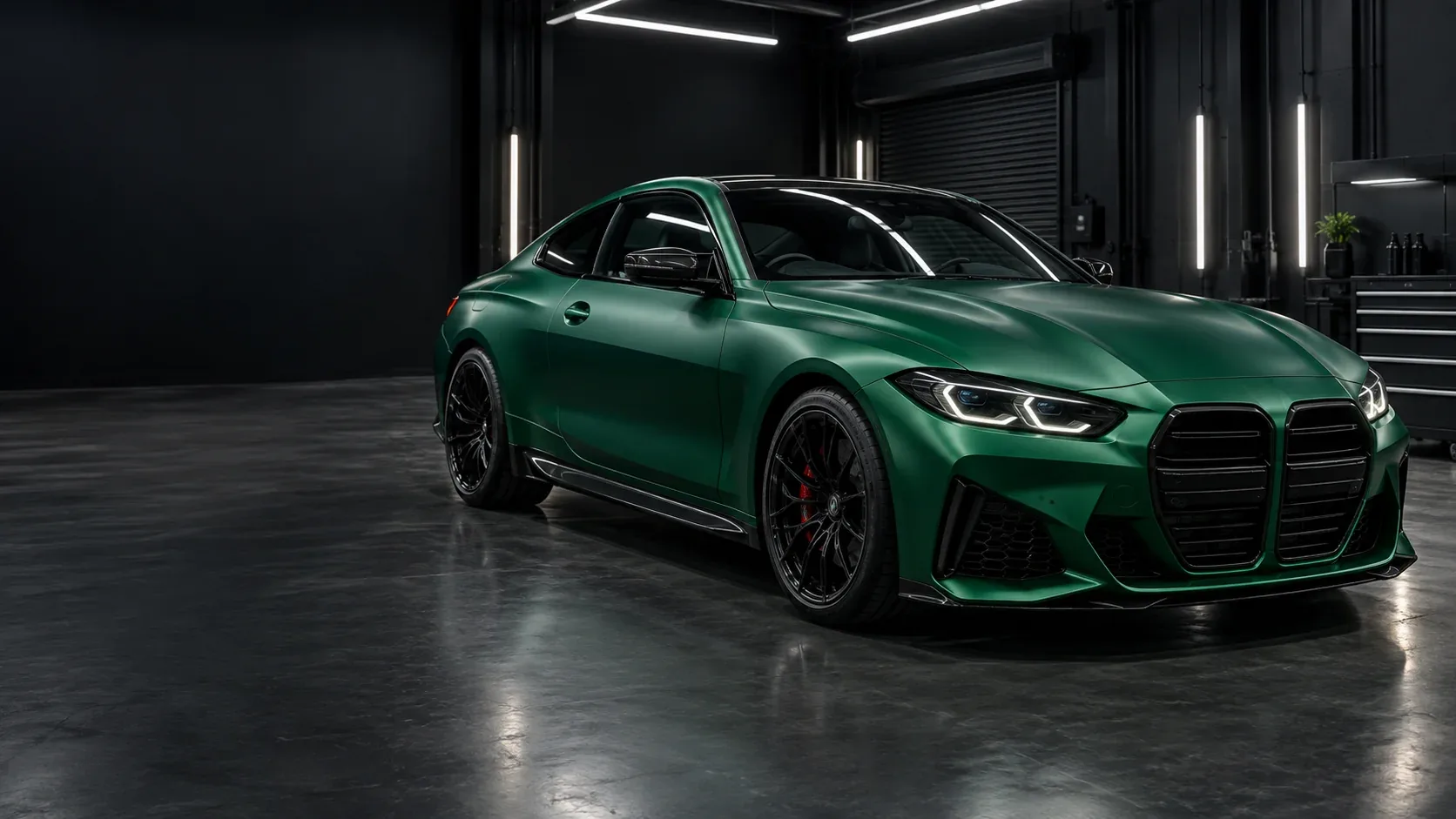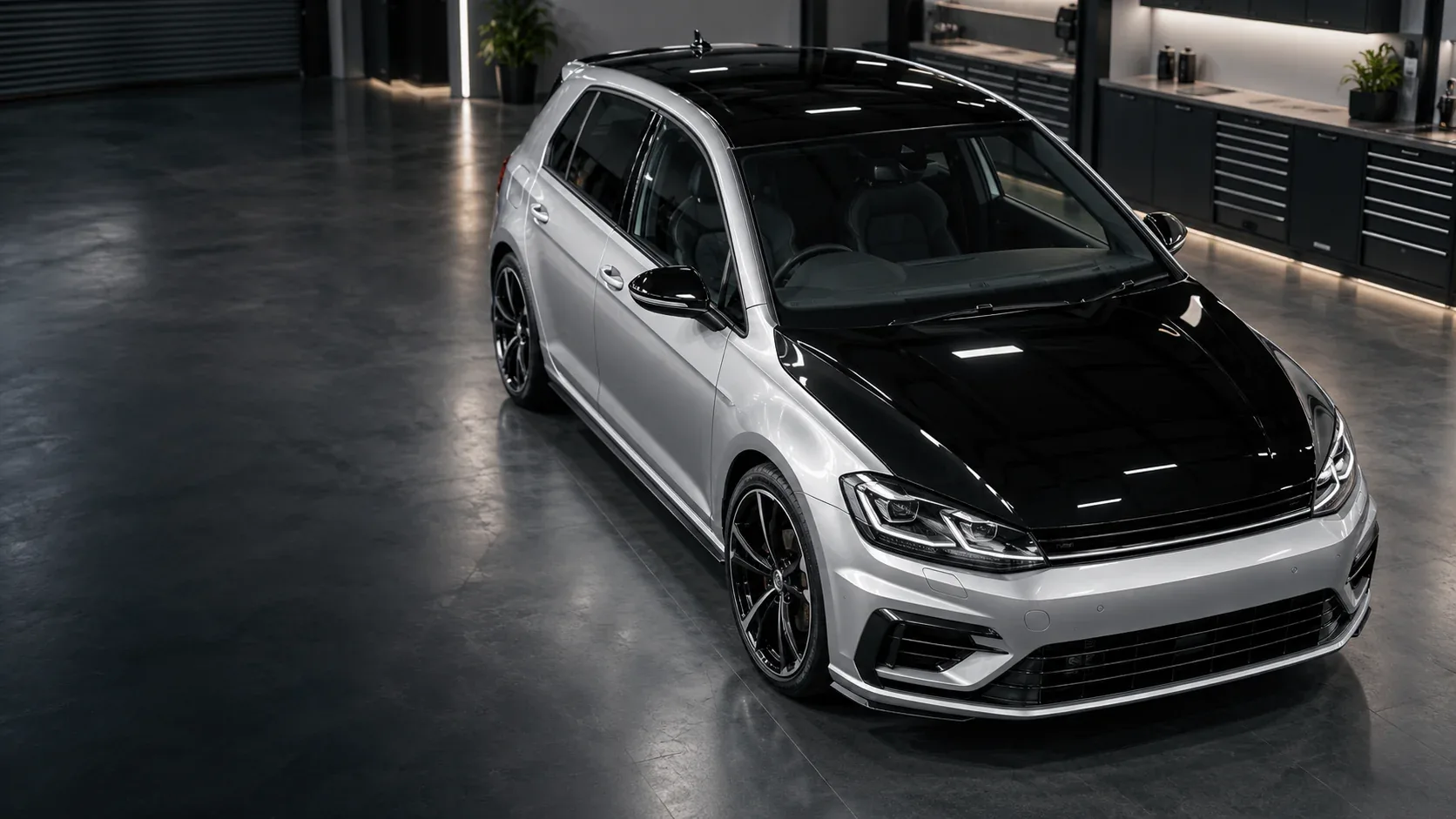
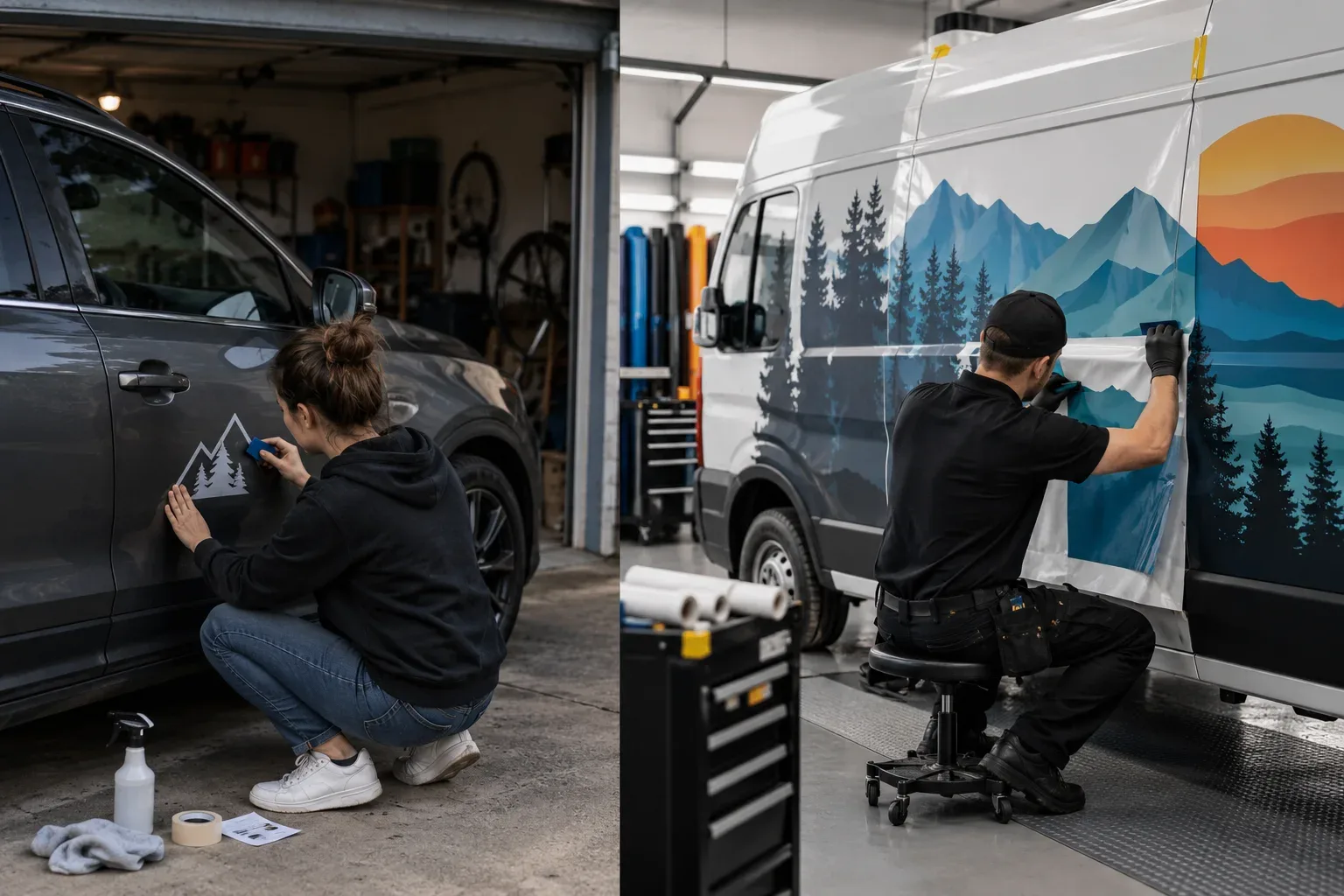
Vehicle owner applying a small car decal beside a professional installer fitting large multi-panel van graphics
Graphics Options · Comparison

DIY vs Professional Vehicle Graphics Installation

Compare self-application with professional vehicle graphics installation by kit size, tools, environment, complexity and application risk.

What is the difference?

DIY vs Professional Vehicle Graphics Installation

The right fitting route depends on the graphic, not confidence alone. A small number or simple door logo presents a different challenge from a printed panel that must align across a sliding door and rear quarter.

Professional fitting does not remove the need for good artwork, sound materials or a suitable vehicle. It controls the installation environment and places the application in experienced hands.

Short answer

Choose according to the practical requirement.

DIY application can suit small, simple graphics when the customer has suitable instructions, tools, conditions and patience. Large panels, recesses, connected designs and valuable finished kits normally justify professional installation because alignment and material handling are more demanding.

Reference chart

DIY installation compared with Professional installation.

Use this as an initial reference. The vehicle, material and artwork still need individual assessment.

DIY vs Professional Vehicle Graphics Installation comparison chart
FactorDIY installationProfessional installation
Best suited toSmall, simple, clearly positioned graphicsLarge panels, wraps, recesses and connected designs
EnvironmentCustomer must provide clean, dry, controlled conditionsPurpose-prepared indoor fitting space
ToolsCorrect basic tools must be obtained and usedProfessional application and finishing tools
AlignmentCustomer measures and positions the kitInstaller plans reference points and panel relationships
Curves and recessesHigher difficulty and application riskHandled with material-specific techniques
Time commitmentCustomer supplies all preparation and fitting timeScheduled as part of the service
Mistake riskCustomer carries greater application riskReduced through controlled process and experience
Relative service costNo professional fitting chargeIncludes fitting labour and facility
Vehicle preparationCustomer must follow the required processVehicle is assessed and prepared to the agreed fitting standard
Aftercare handoverRelies on supplied instructionsCan be explained at collection
01

When self-application may be realistic

Small flat-area decals, simple numbers and straightforward lettering can be appropriate for careful self-application. The supplied instructions and the film's intended application method must be followed.

The vehicle must be clean, dry and free from unsuitable residues. Wind, dust, cold surfaces and rushed positioning all make even a simple kit harder.

  • Small individual graphics
  • Simple flat application areas
  • Clear positioning instructions
  • Clean and controlled workspace
02

When professional fitting is the safer route

Large printed panels magnify alignment errors and contamination. Curves, recesses, door returns and adjoining artwork also require an understanding of the specific film and where it can be stretched or finished.

Professional fitting is particularly relevant when the kit is costly to reproduce, the vehicle is commercially important or several vehicles must match.

03

Preparation is part of installation

A normal wash may not leave a surface ready for vinyl. The agreed process can include inspection, appropriate cleaning and removal of contaminants or accessories that prevent a reliable edge.

Fresh paint, repairs, coatings, waxes, failing lacquer and corrosion should be disclosed before the fitting route is decided.

04

Supply-only kits need complete information

A supply-only order should identify the exact vehicle, body style, year, intended panel and application skill level. The customer also needs the correct tools and enough uninterrupted time.

Photographs and measurements help, but they do not make every kit suitable for DIY application. Race Car Graphics can advise whether the requested format is realistically supply-only.
Balanced assessment

Advantages and limitations.

Every option involves trade-offs. Suitability depends on the complete brief, not one feature.

Option one

DIY installation

Advantages

  • Avoids a professional fitting charge
  • Convenient for genuinely small simple kits
  • Customer controls the application time
  • Can work with complete instructions and suitable conditions

Limitations

  • Greater alignment and contamination risk
  • Customer must provide tools and environment
  • Mistakes may require replacement material
  • Not appropriate for every film or panel shape
Option two

Professional installation

Advantages

  • Controlled fitting environment
  • Experienced handling of curves and recesses
  • Better suited to connected multi-panel alignment
  • Useful for repeatable fleet and team presentation

Limitations

  • Adds fitting labour and scheduling
  • Vehicle must attend the fitting centre
  • Still depends on sound paint and accurate project information
Scenario guidance

Match the choice to the job.

These examples show how purpose can change the recommendation.

DIY may be suitable

One small race number for a flat panel

The graphic is small and positioning can be straightforward with correct instructions.

Professional installation

A printed design crosses a sliding door

Connected artwork, edges and alignment materially increase difficulty.

Professional installation

Ten fleet vans must match

A controlled process supports repeatable positioning and finish.

Professional installation

A customer has no clean indoor space

The installation environment is part of a successful application.

Practical requirements

Prepare these details before requesting advice.

A complete brief makes the comparison vehicle-specific and reduces assumptions.

  • Exact size and number of graphic pieces
  • Flat, curved or recessed application area
  • Film and application method
  • Current paint and coating condition
  • Clean indoor working space
  • Correct squeegee, tape and cleaning materials
  • Positioning measurements and instructions
  • Cost and lead time of a replacement kit
Further advice & resources

Continue researching.

Use another comparison or return to the full resource hubs.

Comparison FAQs

DIY vs Professional Vehicle Graphics Installation questions.

Can I apply vehicle graphics myself?+

Some small, simple supply-only kits may be suitable. Suitability depends on the material, size, surface, conditions and your experience.

What makes a graphic difficult to fit?+

Large size, connected alignment, curves, recesses, panel edges, complex shapes and contamination all increase difficulty.

Do I need an indoor space?+

A clean, dry and controlled environment is strongly preferable. Wind, dust, moisture and unsuitable surface temperature can compromise application.

Will normal car shampoo prepare the surface?+

Not necessarily. Waxes, residues and contaminants may remain, so follow the preparation instructions for the specified film.

Can Race Car Graphics install graphics I ordered as supply-only?+

Contact the team before application. Feasibility depends on the kit, material condition, vehicle and scheduling.

Where is professional installation completed?+

Professional installation is provided through the Race Car Graphics fitting centre in Norwich.

Need help choosing?

Discuss your vehicle and intended result.

Send the vehicle details, photographs, practical purpose, preferred coverage and target date. Race Car Graphics will recommend the appropriate next step.

01603 987222

Your details are sent securely to the Race Car Graphics team.