Inspect before choosing a package
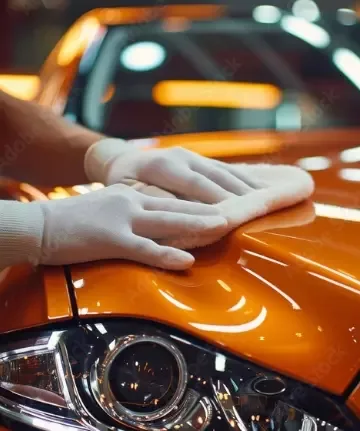
Inspect paint, repairs, lacquer failure, chips and contamination before agreeing correction or protection. A new vehicle is not automatically defect-free.
The desired outcome, paint thickness, available correction and budget determine how far preparation should go.
Wash and decontaminate
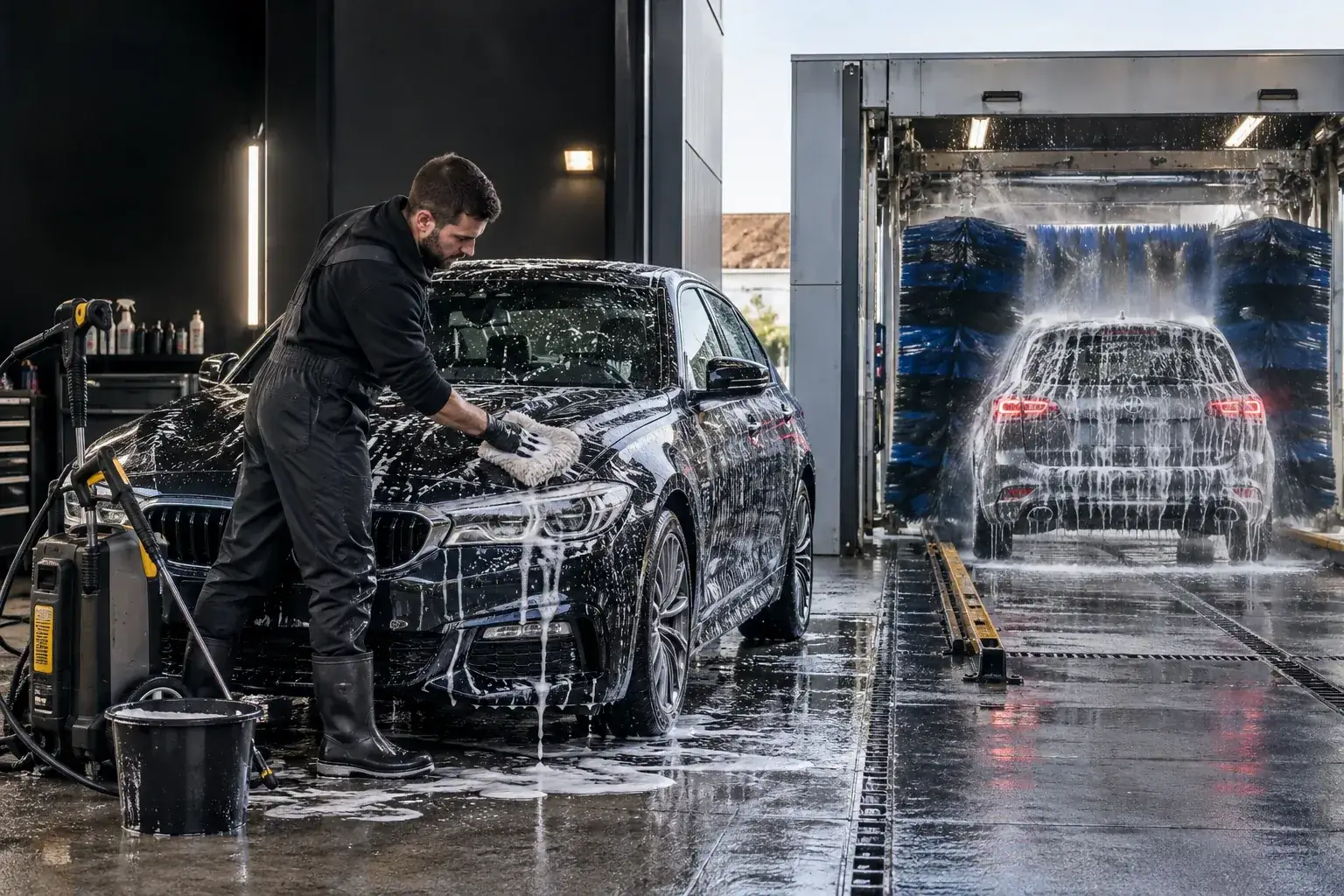
Loose dirt and road film must be removed using a controlled wash process. Tar, iron contamination and bonded deposits may require appropriate chemical and mechanical treatment.
Decontamination creates a cleaner surface for inspection; it should not be confused with polishing.
Correct appropriate defects
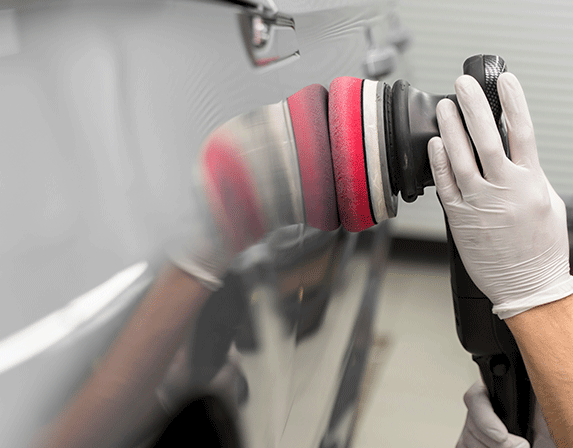
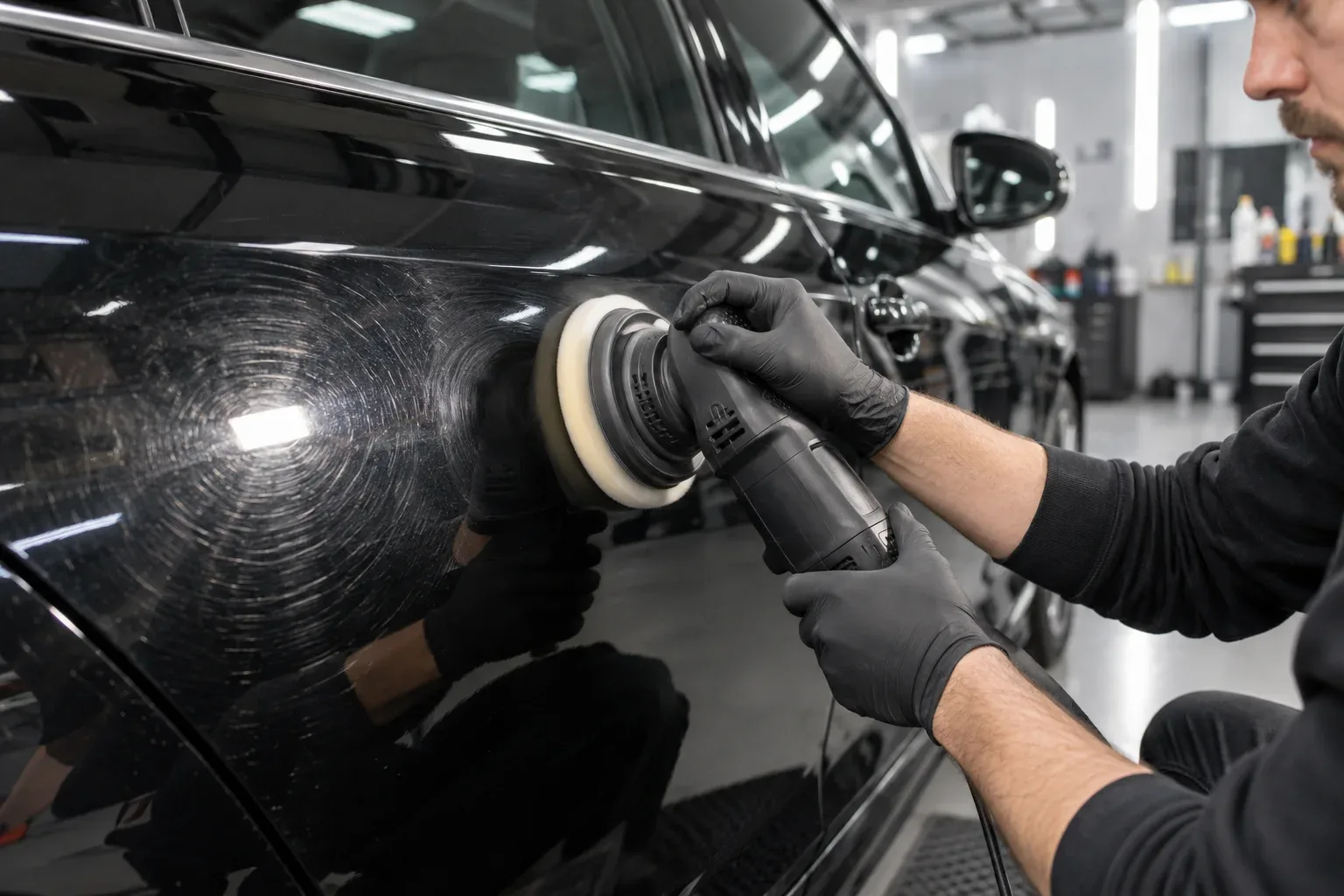
Machine polishing can refine eligible swirls, oxidation and some marks. Defects that are too deep or unsafe to chase should remain rather than sacrificing excessive clear coat.
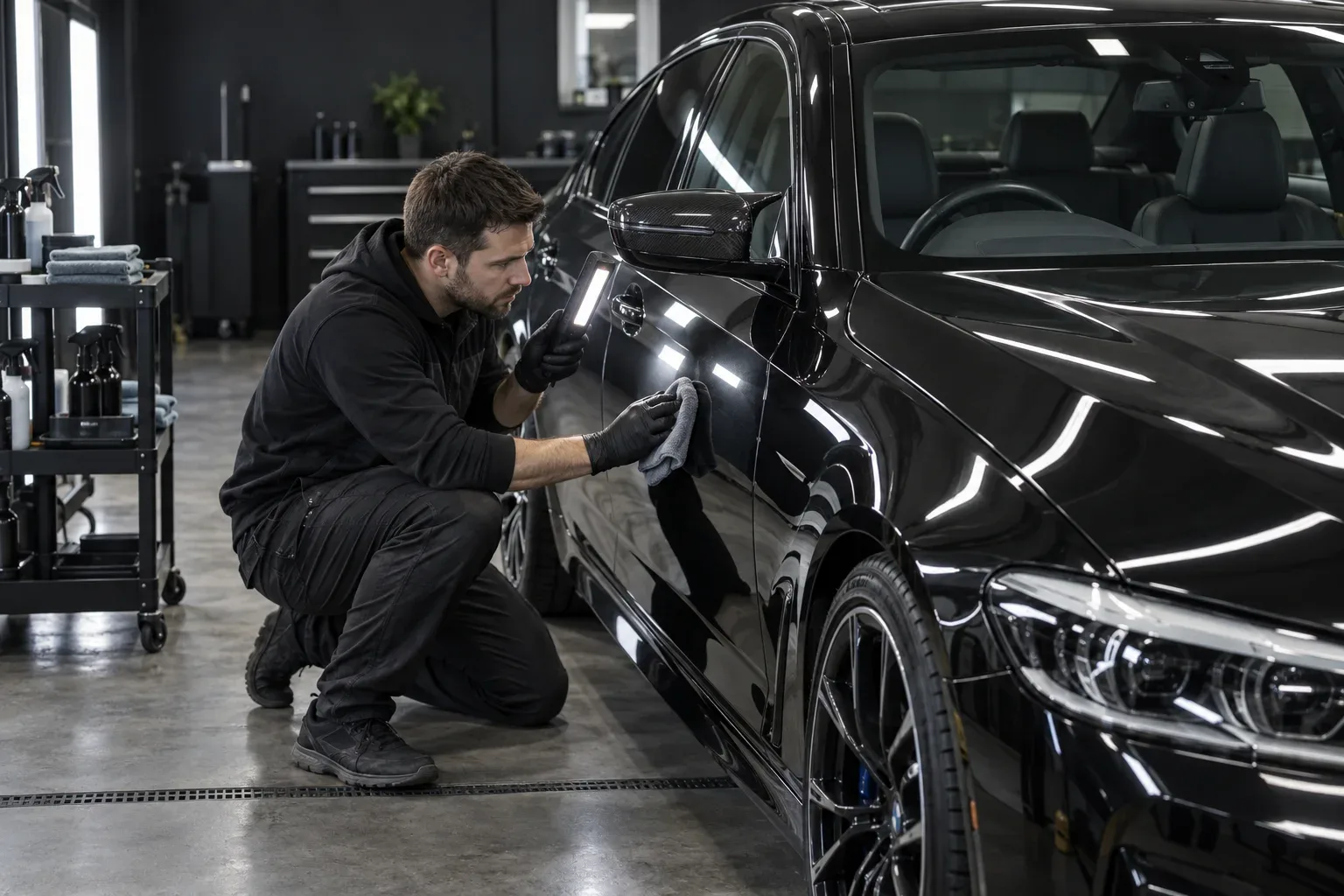
The agreed correction level should be judged under appropriate lighting before coating.
Final preparation and application
Polishing residues, oils and moisture must be removed using the coating manufacturer's compatible process. Temperature, humidity and cure conditions must also be controlled.
Aftercare instructions begin immediately, including any initial water or washing restrictions specified for the installed system.